To view a schedule of upcoming livestream masses or to watch previously recorded masses, please click here.
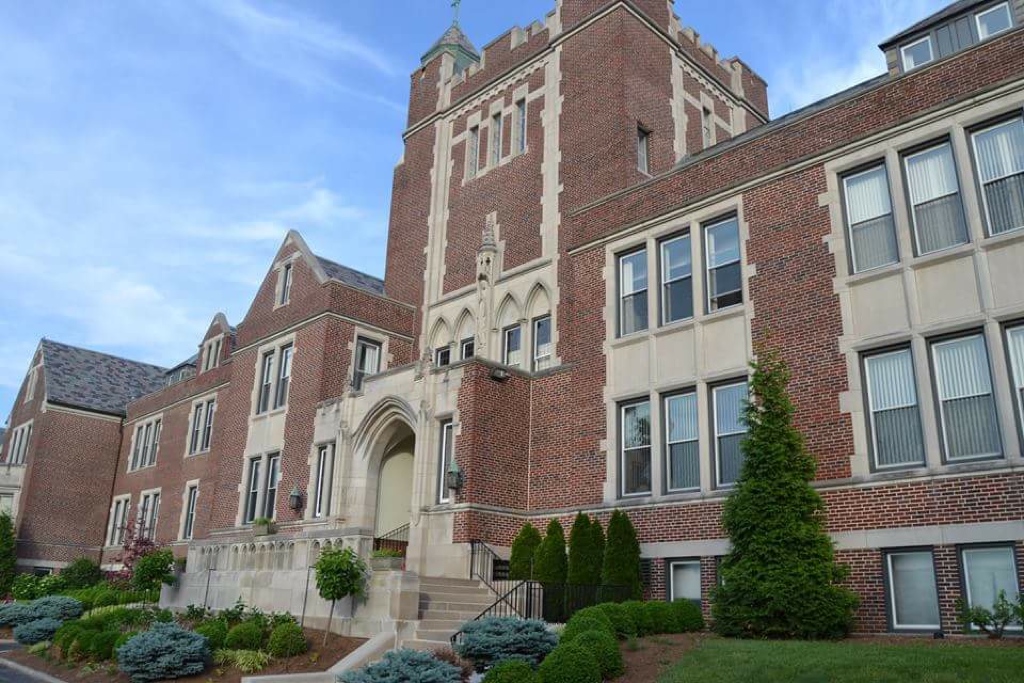
Chardon, OH
Cleveland, Ohio, was the first US address of the Sisters of Notre Dame when they arrived from Germany in 1874. After 85 years in Cleveland, the SND provincial center moved in 1960 to Chardon, east of Cleveland in Geauga county. The urban, industrial areas of Northeast Ohio around Cleveland, Akron and Youngstown have become a center for health care, higher education, the arts, and home to diverse communities of hard-working people. Here the sisters and associates continue to serve in ministries of education and spiritual growth, especially with women and children on society’s margins.
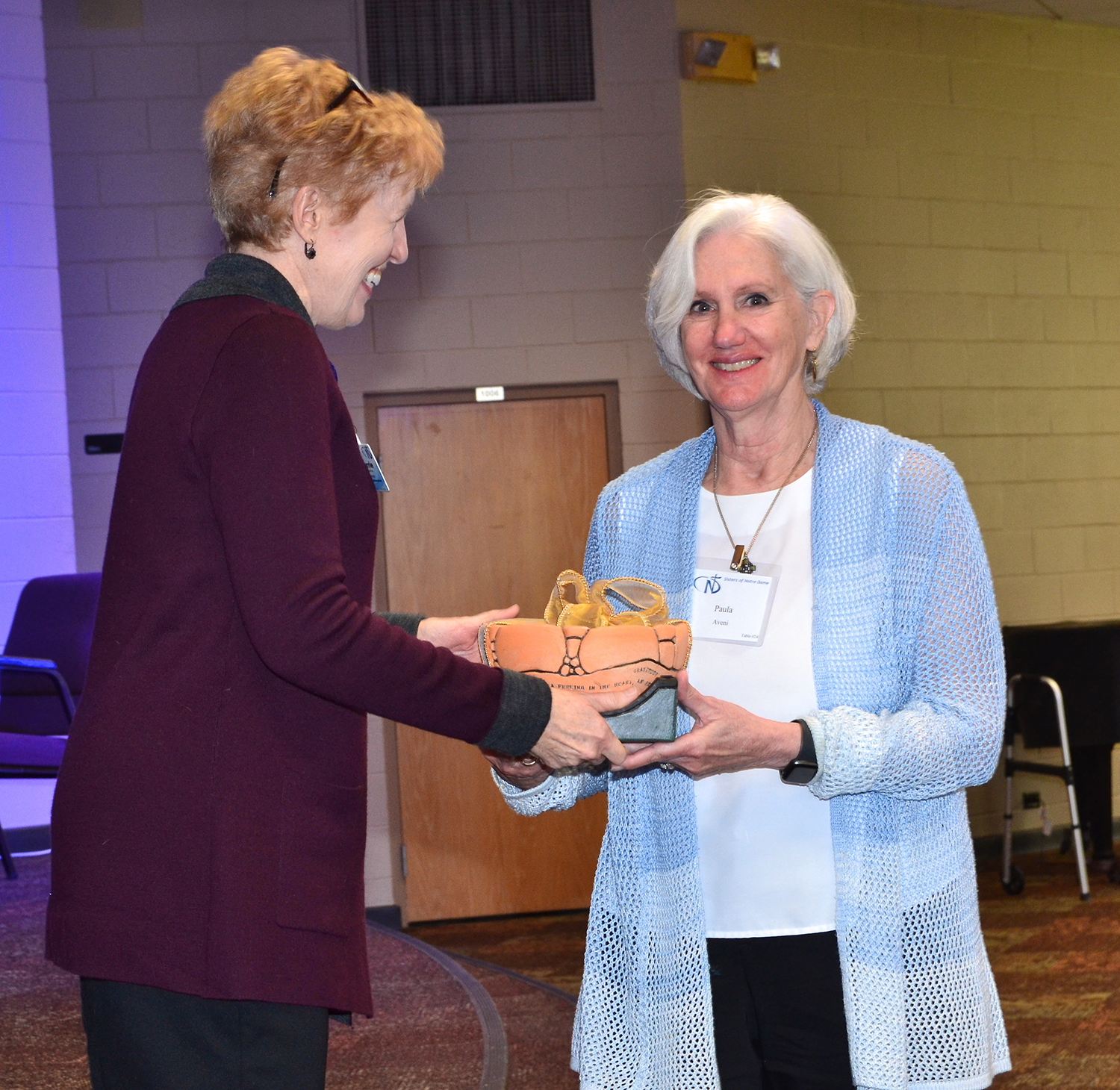
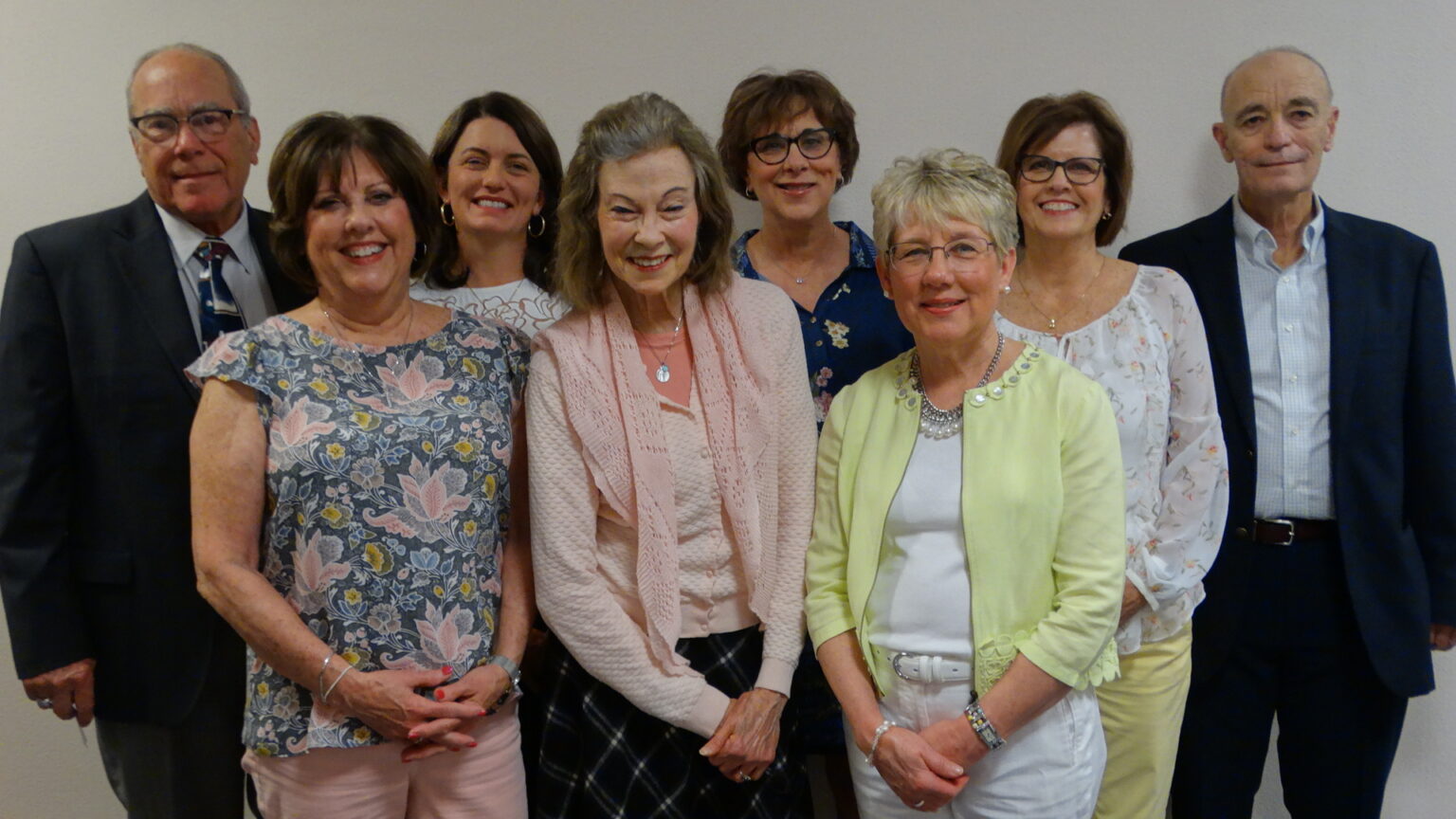
On Sunday, April 21st, 2024 SND Chardon held a Mass and luncheon for our Partners in Mission to appreciate their support of our ministries. This annual event recognizes the many…
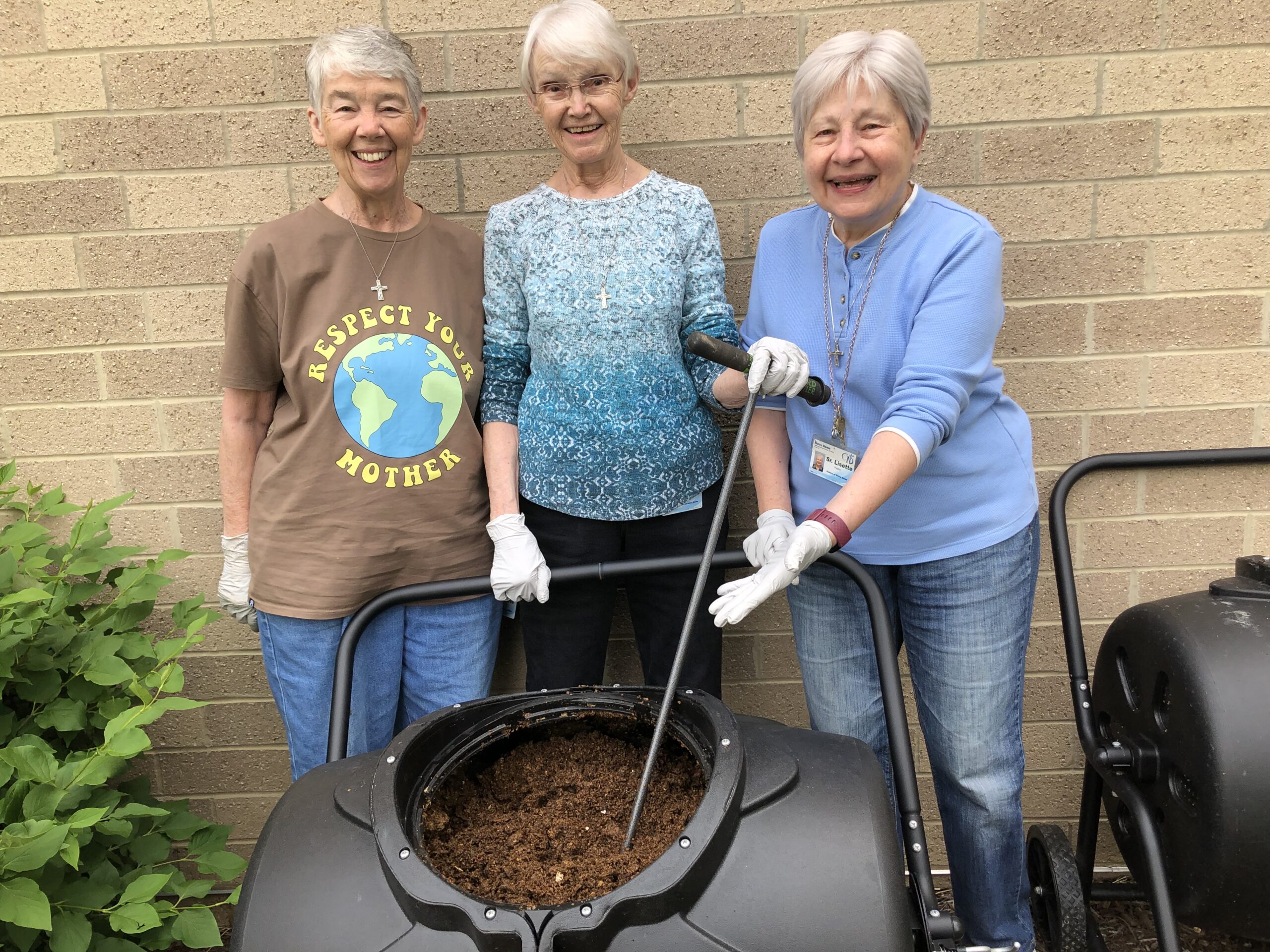
At Notre Dame Village in Chardon, OH, a dedicated group of sisters and residents have been making an impactful effort to care for God’s creation. Beginning their work in March…
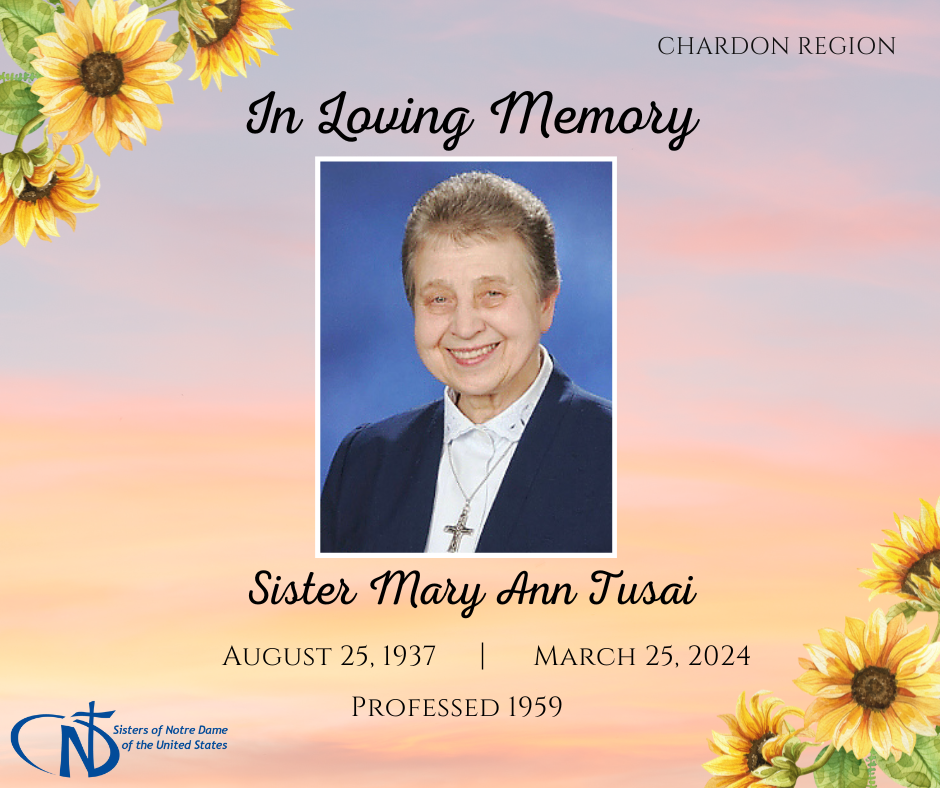
Born on August 25, 1937 to John and Helen (Doljac) Tusai, Mary Ann was the only girl and the oldest of five children. She attended St. Thomas Aquinas Parish School…
Two sisters arrived in Covington, Kentucky in 1874, missioned to teach at the Mother of God parish school. From there SND ministries in the Northern Kentucky region have expanded–with great enthusiasm and community support—from education to health care, child care, young adult ministry and social outreach. The Covington region is known for its unique combination of small-town warmth and worldly amenities, making it a hub for powerful charitable outreach and personal connections.
Thursday July 4, 20241601 Dixie Highway, Covington, KY 410111:00 pm – 5:00 pm Features of this year’s Festival include: -Grill Food, Beer, and Soft Drinks-Live Entertainment including Honey Hill Farm…
The Women’s Weekend Retreat, April 6-7 2024, is a delightful opportunity for women to connect with themselves and others through fellowship, embarking on a shared journey of faith.
For more videos of SND Thousand Oaks, CA, head over to our vimeo page here!
Los Angeles, CA
“Go to California and build a house of love.” With these words, 11 Sisters of Notre Dame were missioned to Los Angeles from Cleveland in 1924. Today, the SNDs and Associates minister in the Archdiocese of Los Angeles, home to 4.3 million Catholics in 300 parishes, with Sunday Eucharist celebrated in 42 languages. Southern California is synonymous with diversity—beaches, aerospace, immigrants, entertainment media, mountains, technology, agriculture, pharmaceuticals, manufacturing, deserts—and each of these realities also represents an opportunity to radiate God’s goodness and provident care. A true house of love.
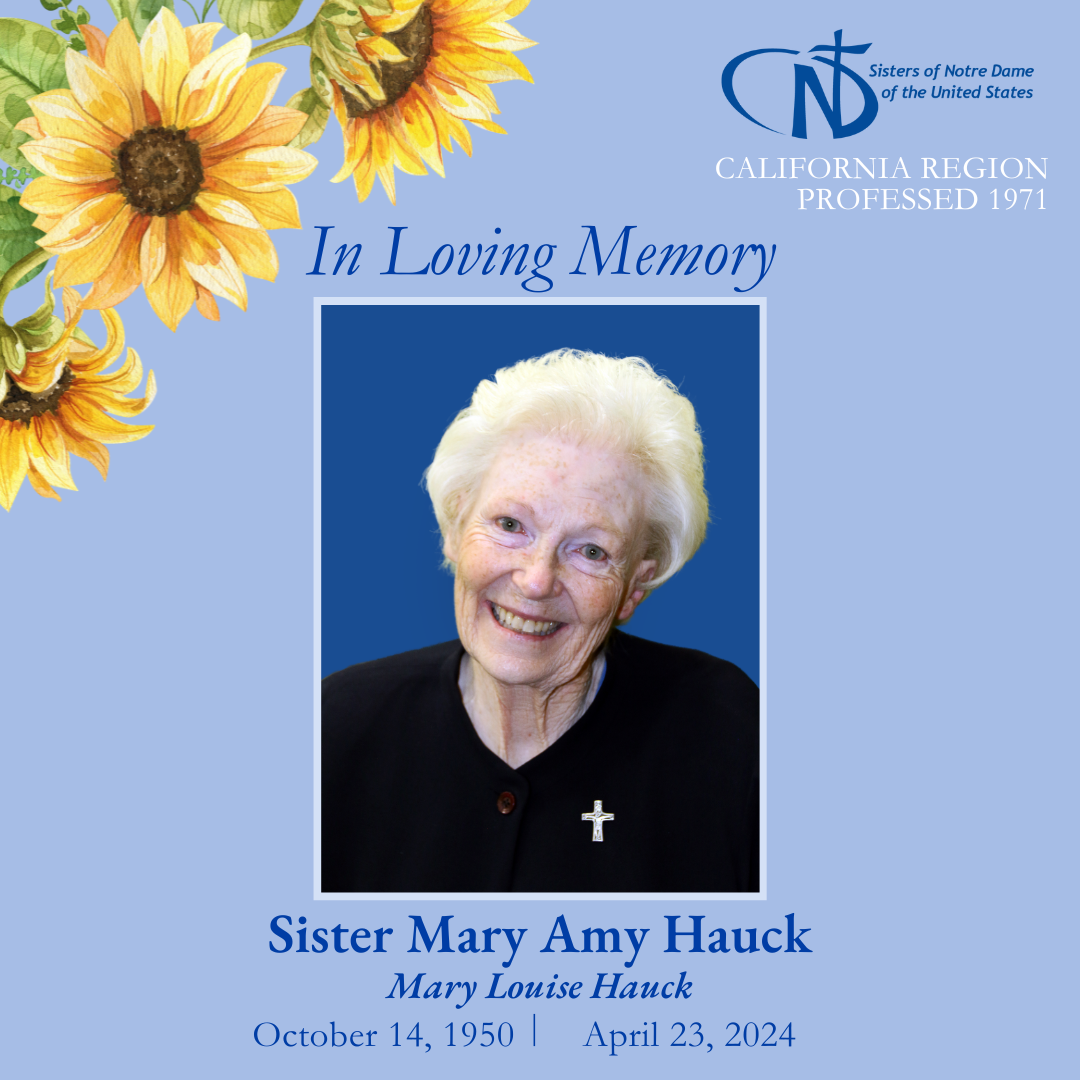
(Mary Louise Hauck) October 14, 1950 – April 23, 2024 Sr. Mary Amy Hauck, the daughter of Dr. Richard and Helen Hauck, was born in Lynwood, California in 1950. As…
A recent grant from the Hilton Fund for Sisters provided the necessary resources to construct an underground water storage system and a greenhouse for cultivation of food at the Aloysia…
Sr. Karlynn Werth will spend the next six months with the SNDs in South Korea. She will be holding classes in English for the young sisters who already have some…
In 1876, the Sisters of Notre Dame traveled to St John the Evangelist Parish in Delphos, Ohio to begin the cornerstone foundation of the future Toledo Region. It was there that our foundress, Sister Maria Aloysia Wolbring ministered. Other affiliations soon were established and in 1924, the Toledo Region was formed. Today, the pioneer spirit of our Delphos sisters lives on in the sisters of the Toledo Region. In education, parish ministry, community service, justice and peace work, and in spirituality, the Sisters of Notre Dame and our Associates continue to incarnate God’s goodness and provident care where the need is greatest. We are SND PROUD!
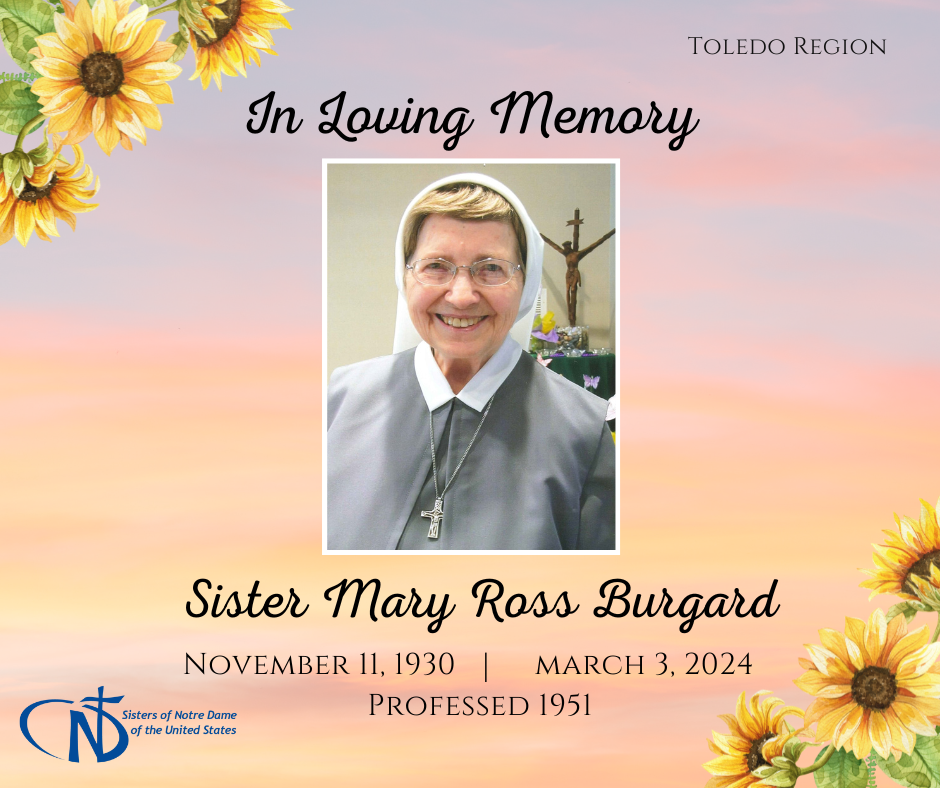
Having moved to Rosary Care Center in Sylvania on December 28, Sister Mary Ross had only one thing left to do during her life of dedication to God: to give…
-SAVE THE DATE- Thursday, November 7, 2024 Parkway Place 2592 Parkway Plaza, Maumee, OH 43537 Doors Open at 4 P.M. – Program begins at 5 P.M. The Sisters of Notre…